Harness optimization
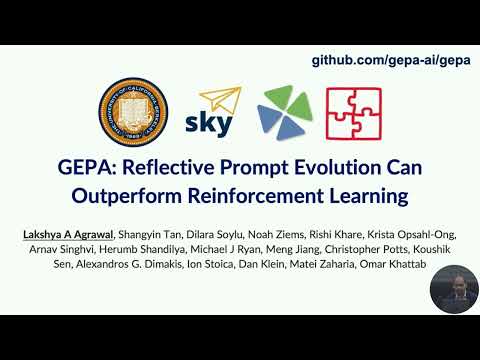
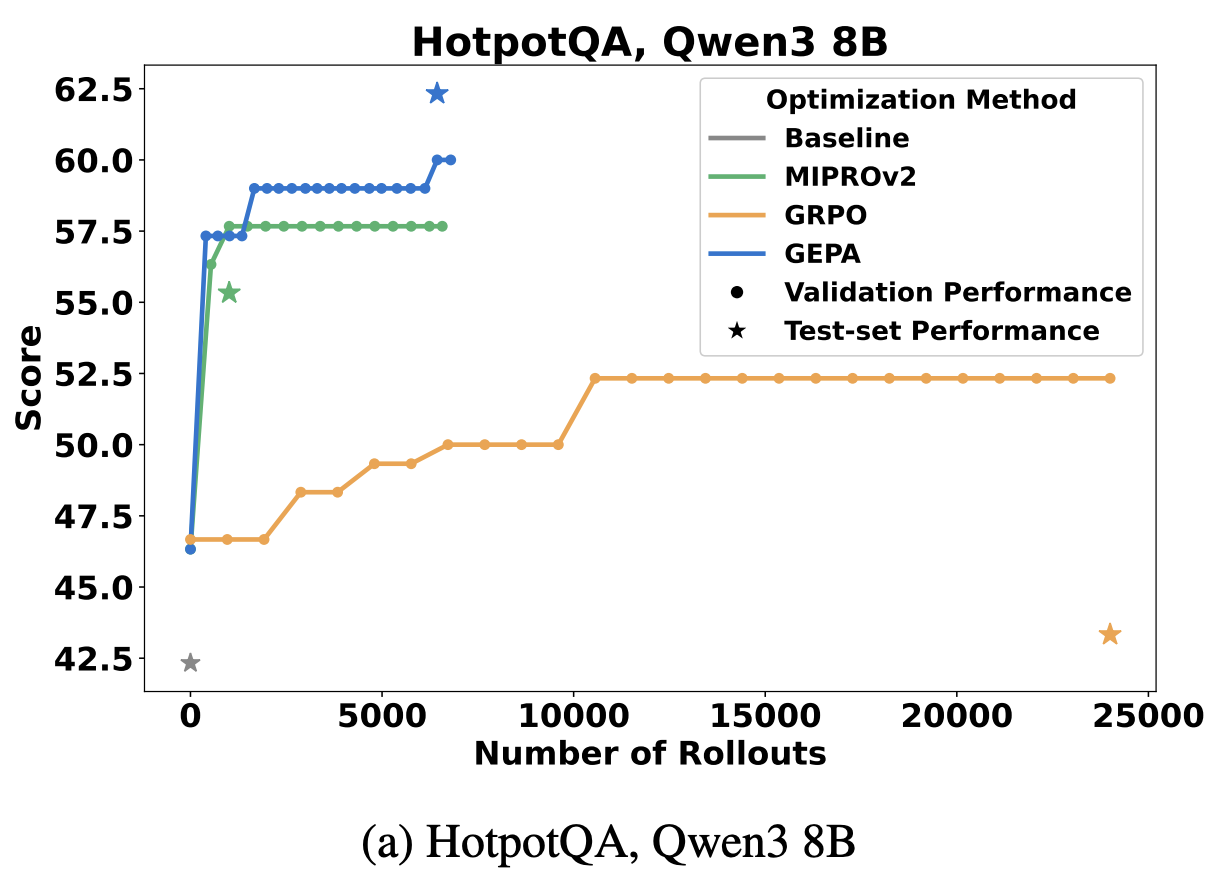
GEPA: Reflective Prompt Evolution Can Outperform Reinforcement Learning
ICLR 2026 Oral
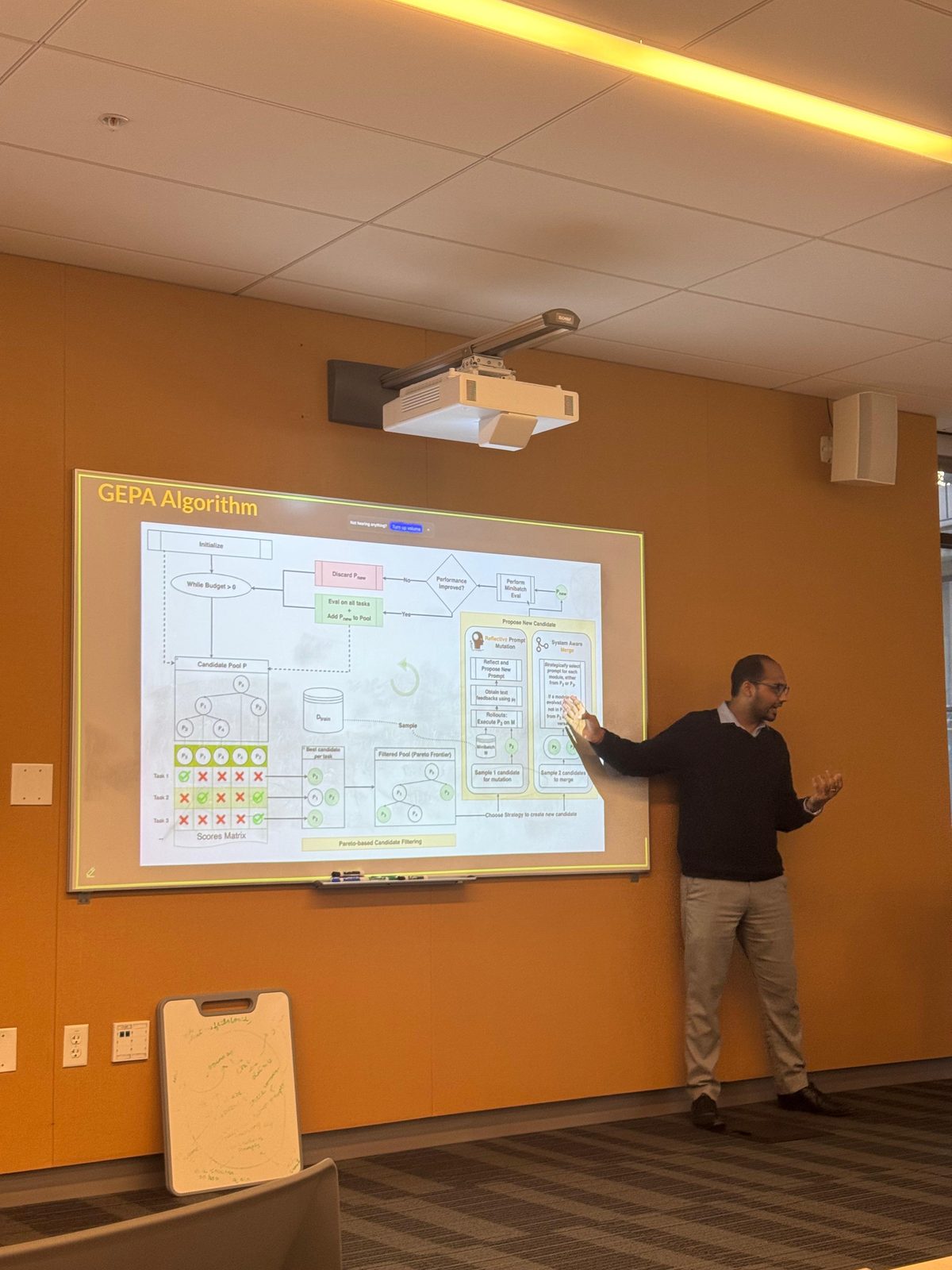
Reflective search that uses execution traces and natural-language feedback to improve an agent’s prompts.

AI PhD Student @ UC BerkeleyLaude Open Research ResidentAmazon AI PhD FellowCreator of GEPA & multilspyPreviously AI4Code at Microsoft Research
I am a Computer Science PhD student at UC Berkeley, advised by Prof. Matei Zaharia and Prof. Dan Klein. I am affiliated with Sky Lab, BAIR, and Berkeley NLP. I build AI systems that improve through experience, by optimizing their prompts, agent harnesses, and model weights.
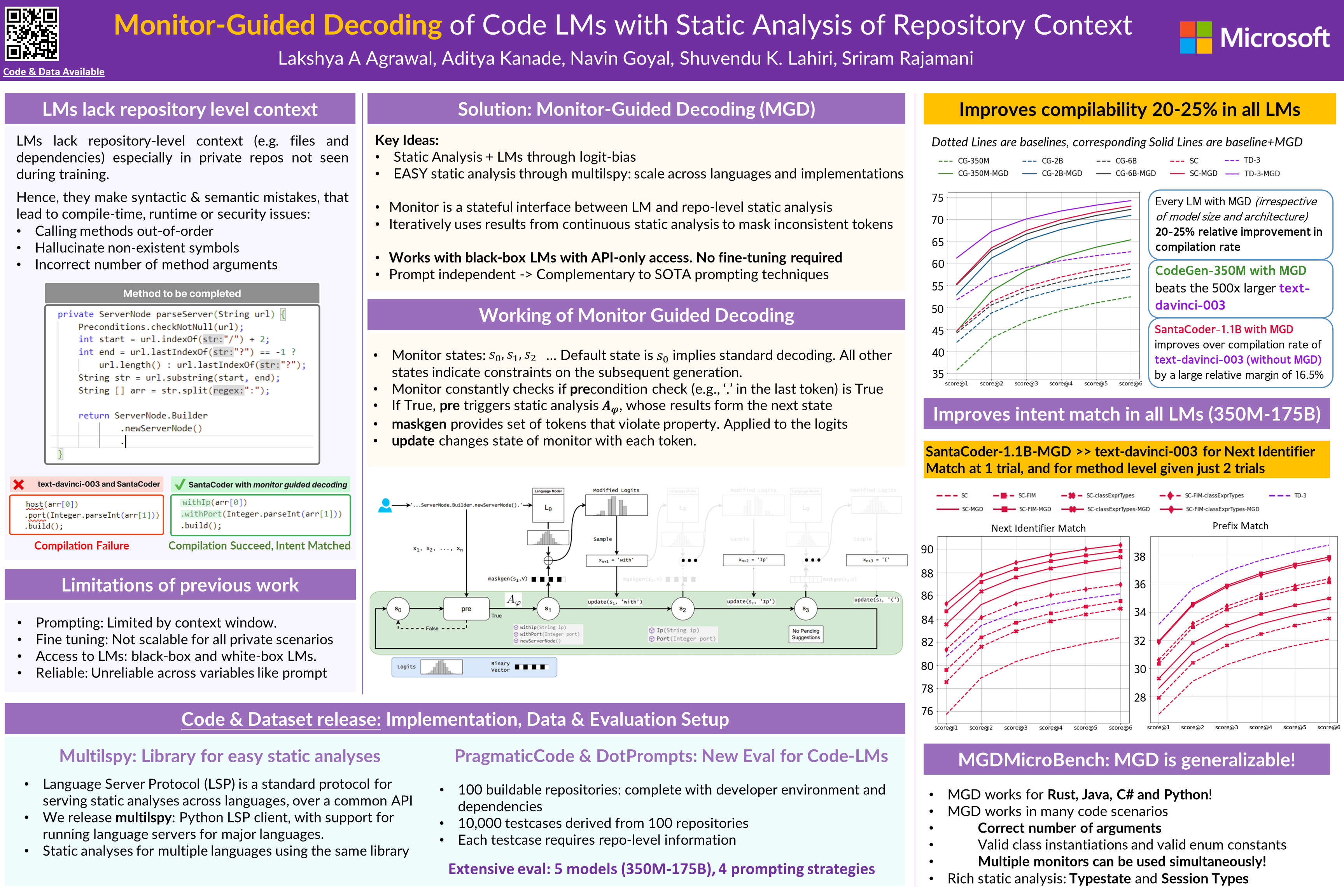
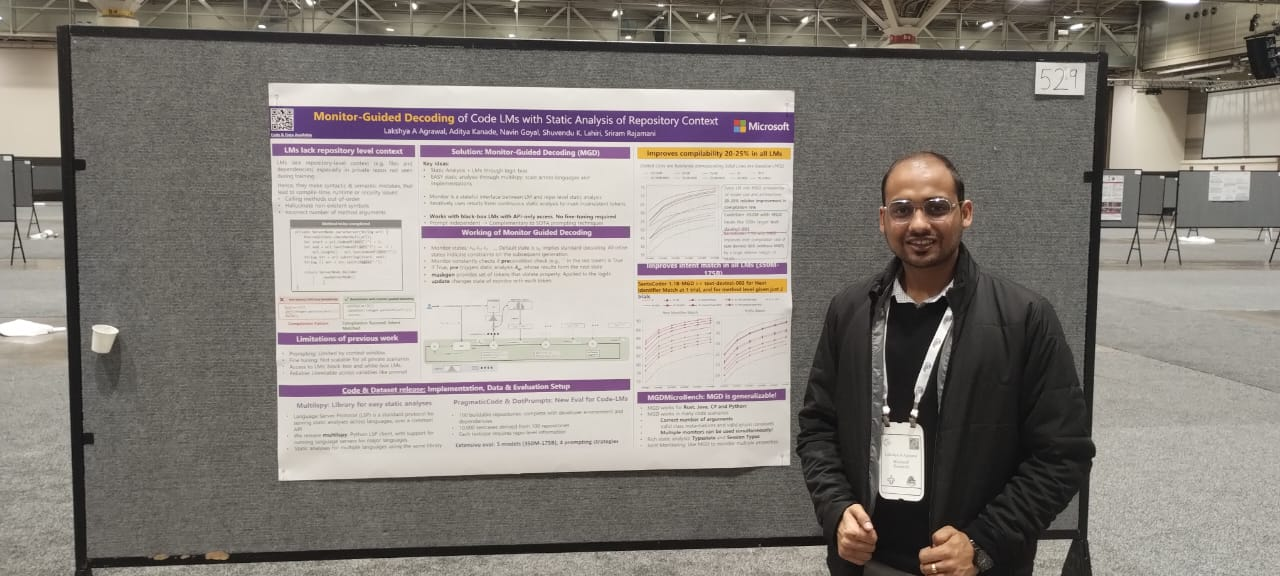
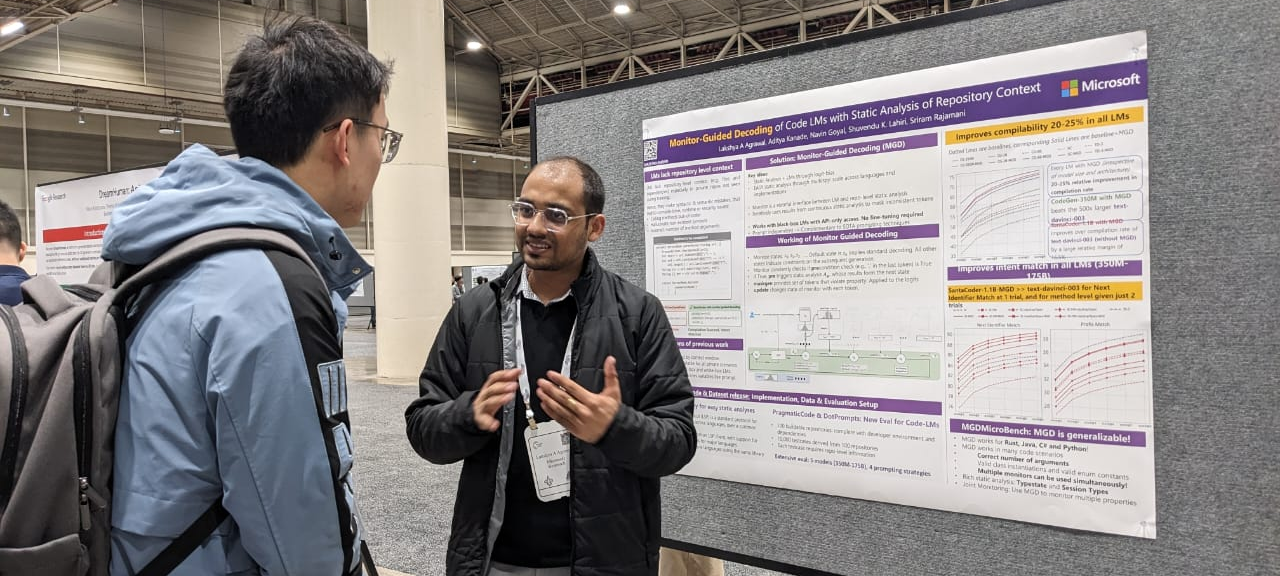
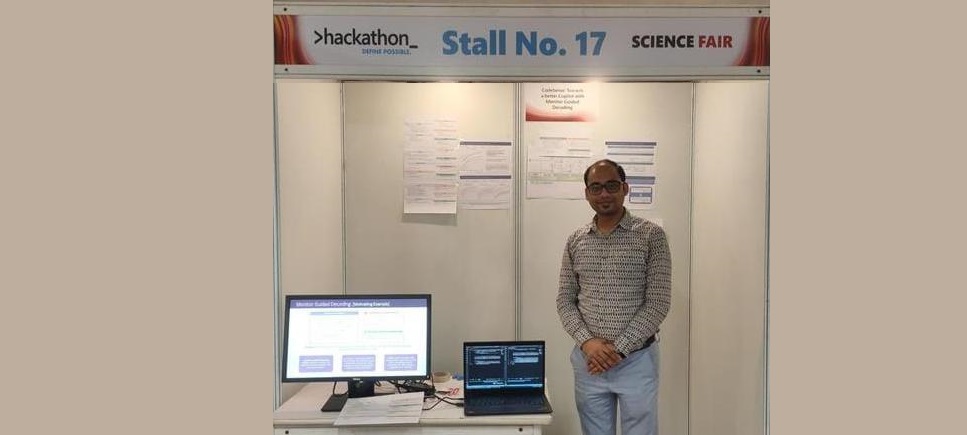
My background in programming-language tools led to Monitor-Guided Decoding (MGD) at Microsoft Research. MGD built a static-analysis harness around an LLM to guide code generation, letting a smaller model outperform a larger one on code generation. This motivated my work at Berkeley on evaluating LLM systems with harnesses, rather than LLMs alone. In LangProBe, we mapped their cost–quality frontier and showed that the principle holds across many domains: smaller models with well-tuned harnesses can outperform much larger LLMs at lower cost.
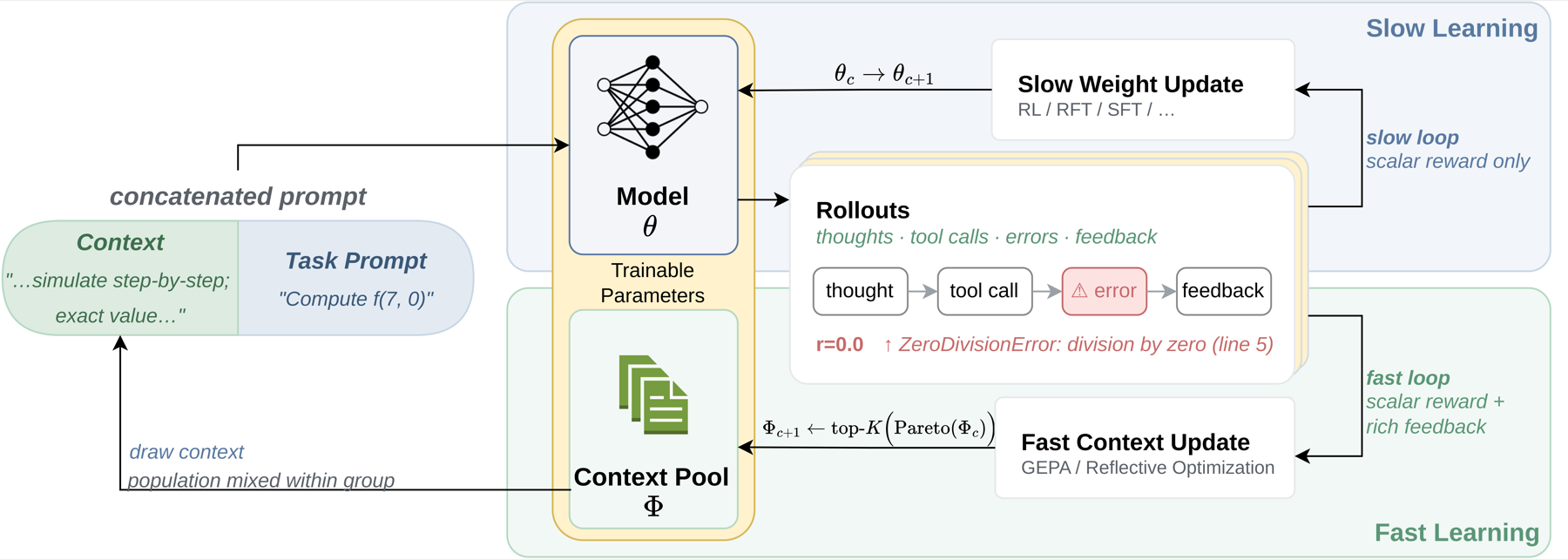
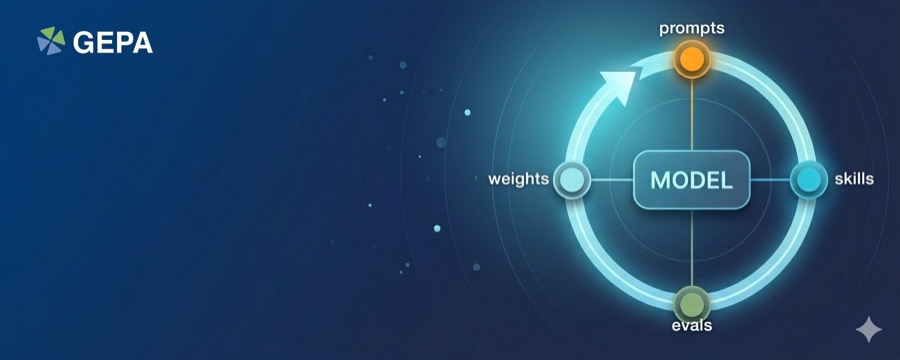
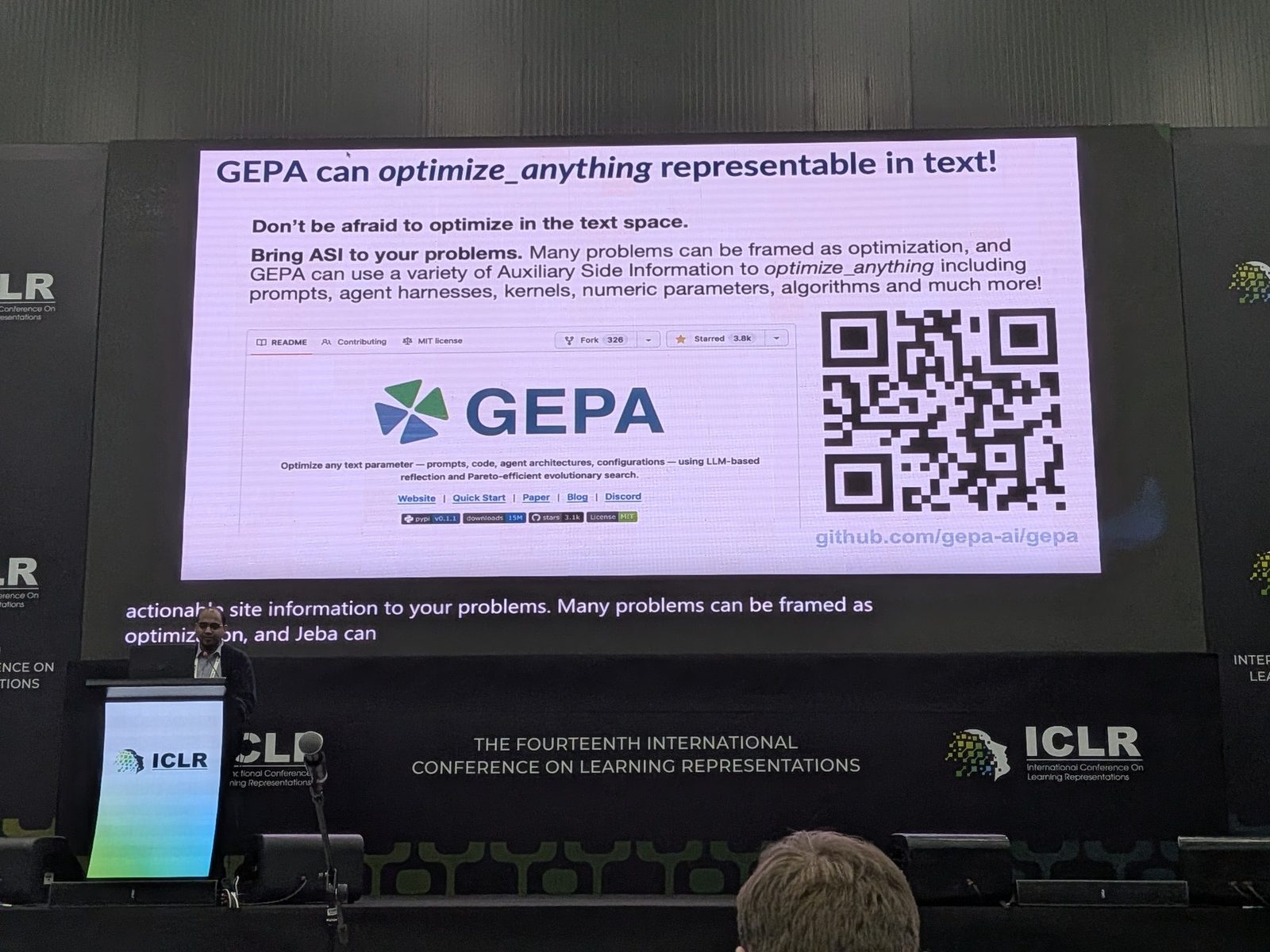
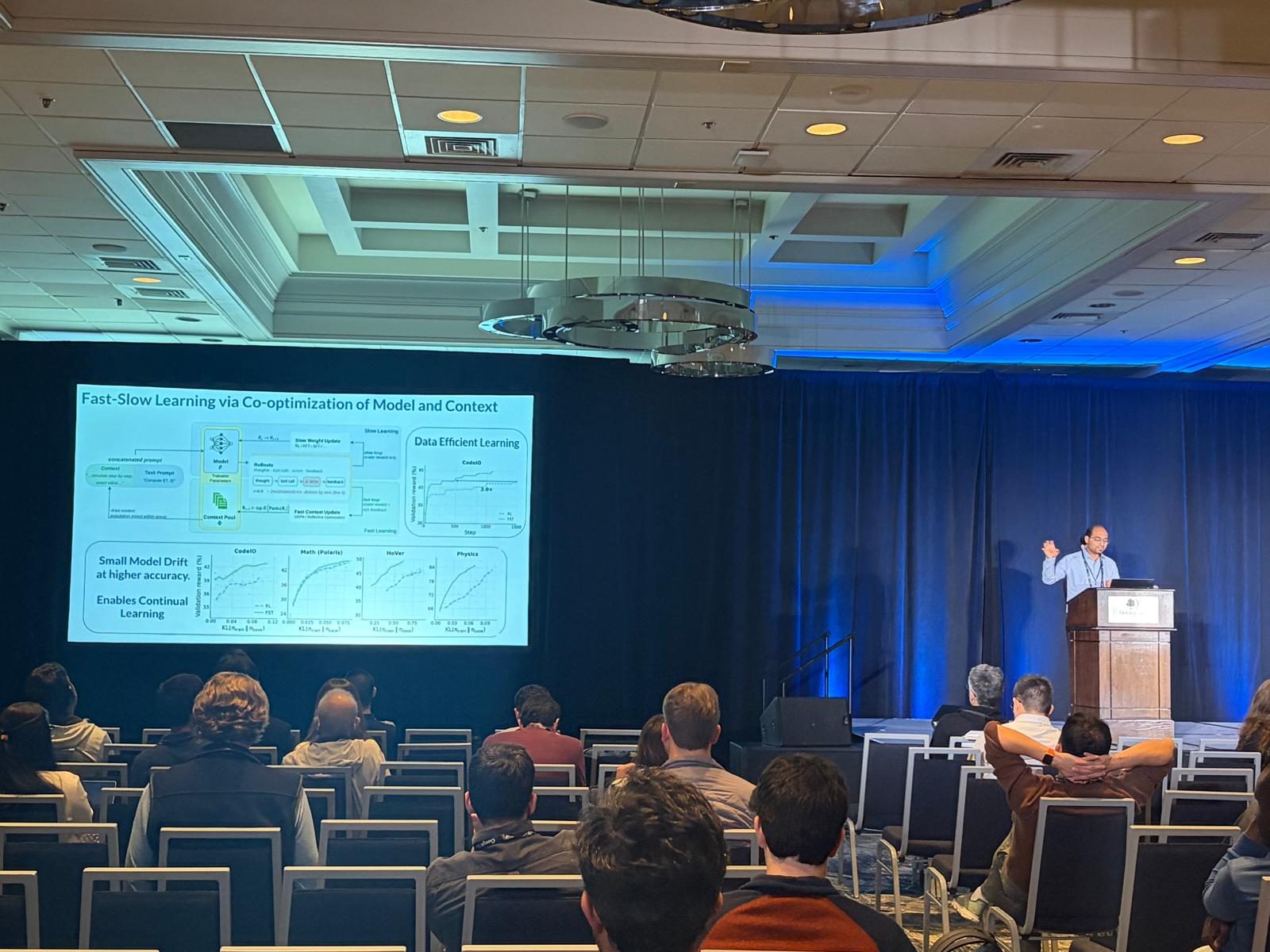
This motivated exploring automated harness optimization from rich textual feedback. GEPA optimizes prompts by reflecting on execution traces and textual feedback, outperforming GRPO with fewer rollouts in our experiments; optimize_anything extends this to the full agent harness; and gskill learns repository-specific skills for coding agents. This led to studying how learning in text space could also support model training. mmGRPO is an RL method for multi-component LLM systems, combining weight updates with prompt optimization. Fast-Slow Training interleaves fast prompt adaptation with slower RL updates, so prompts absorb task-specific lessons while weights need not change as much. This improves data efficiency and performance while preserving the capacity of the model to learn subsequent tasks. I am continuing to study how self-improving AI systems should learn in the harness and in the model.
ICLR 2026 Oral
Reflective search that uses execution traces and natural-language feedback to improve an agent’s prompts.
Preprint · 2026
Fast-Slow Training couples fast adaptation of prompts with slower reinforcement learning of model weights, enabling continual learning with less forgetting.
* Equal contribution.
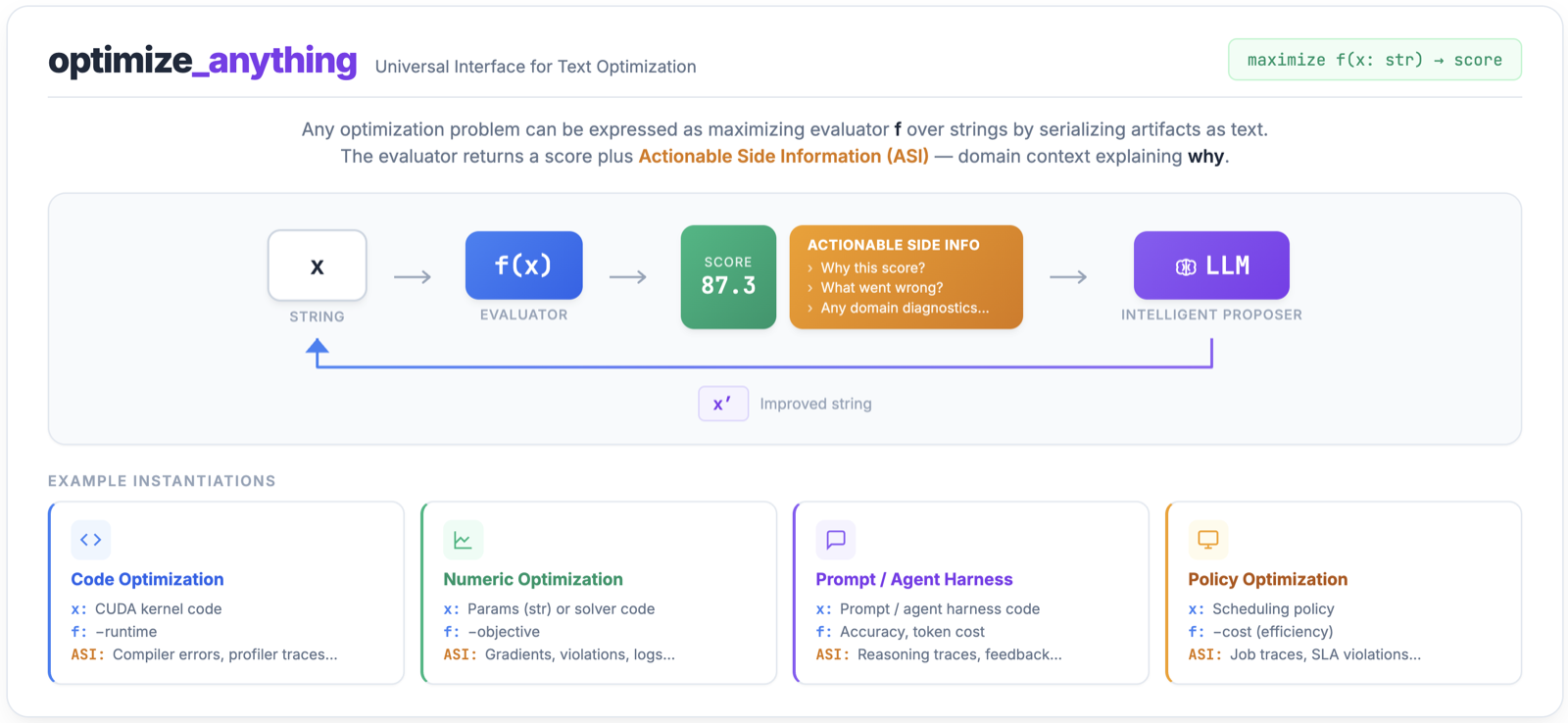
optimize_anything: Unified Text Optimization Can Outperform Specialized SystemsACM CAIS 2026 Industry Spotlight Award
A unified approach to optimizing text, from agent architectures and code to scheduling policies and mathematical constructions.
* Equal contribution.
A workshop version, optimize_anything: A Unified Framework for LLM-Based Mathematical and Scientific Optimization, appeared at the 3rd AI for Math Workshop at ICML 2026.
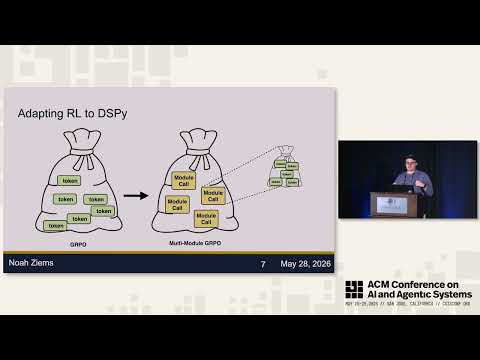
ACM CAIS 2026 Industry Spotlight Award
Multi-module GRPO trains compound language-model programs and composes reinforcement learning with prompt optimization.
* Equal contribution.
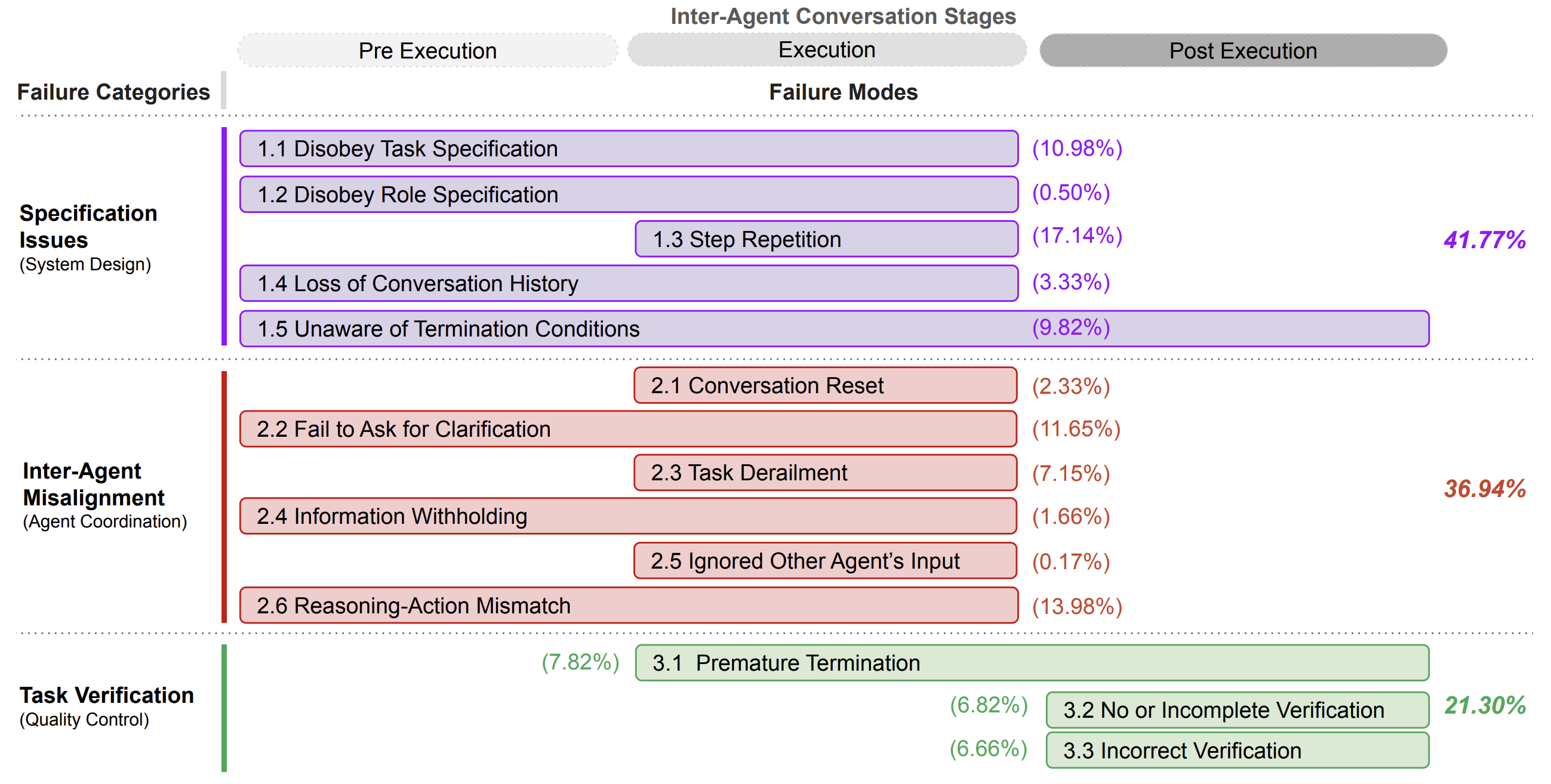
NeurIPS 2025 · D&B Spotlight
MAST: a taxonomy of multi-agent failures, grounded in annotated execution traces, for understanding where and why agent systems break down.
* Equal contribution.
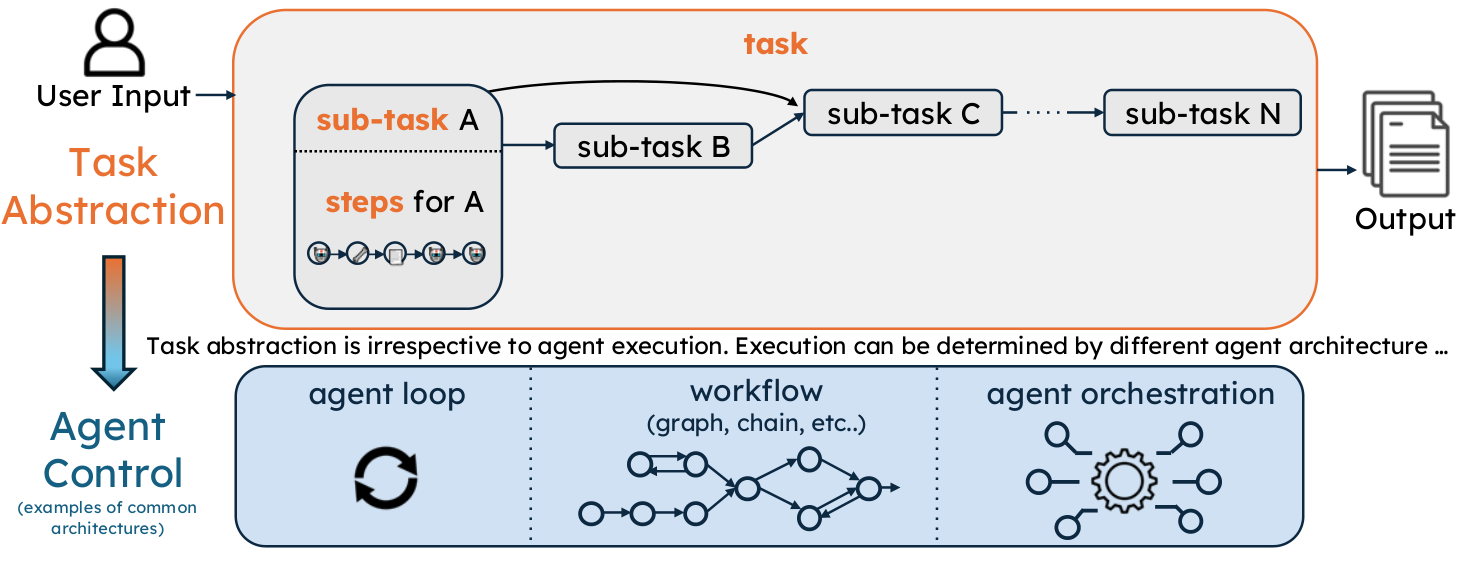
ICML 2026 Oral
An empirical study of how agents are built, evaluated, and used in real production systems.
Appeared at ICML 2026 as Characterizing Agents in Production.
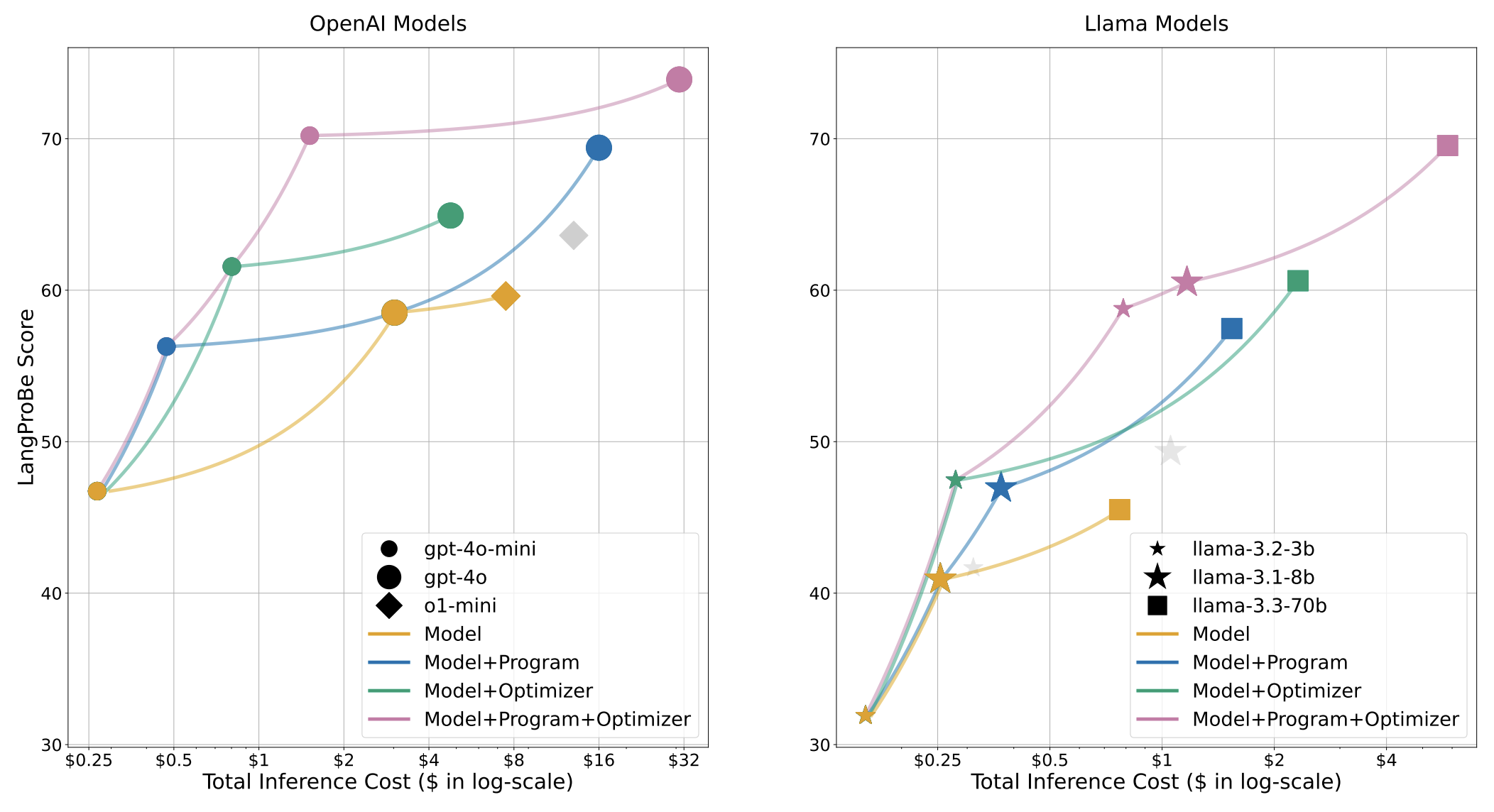
EMNLP 2025 · Findings
A benchmark of language-model programs that studies how models, architectures, and optimizers trade off quality and cost.
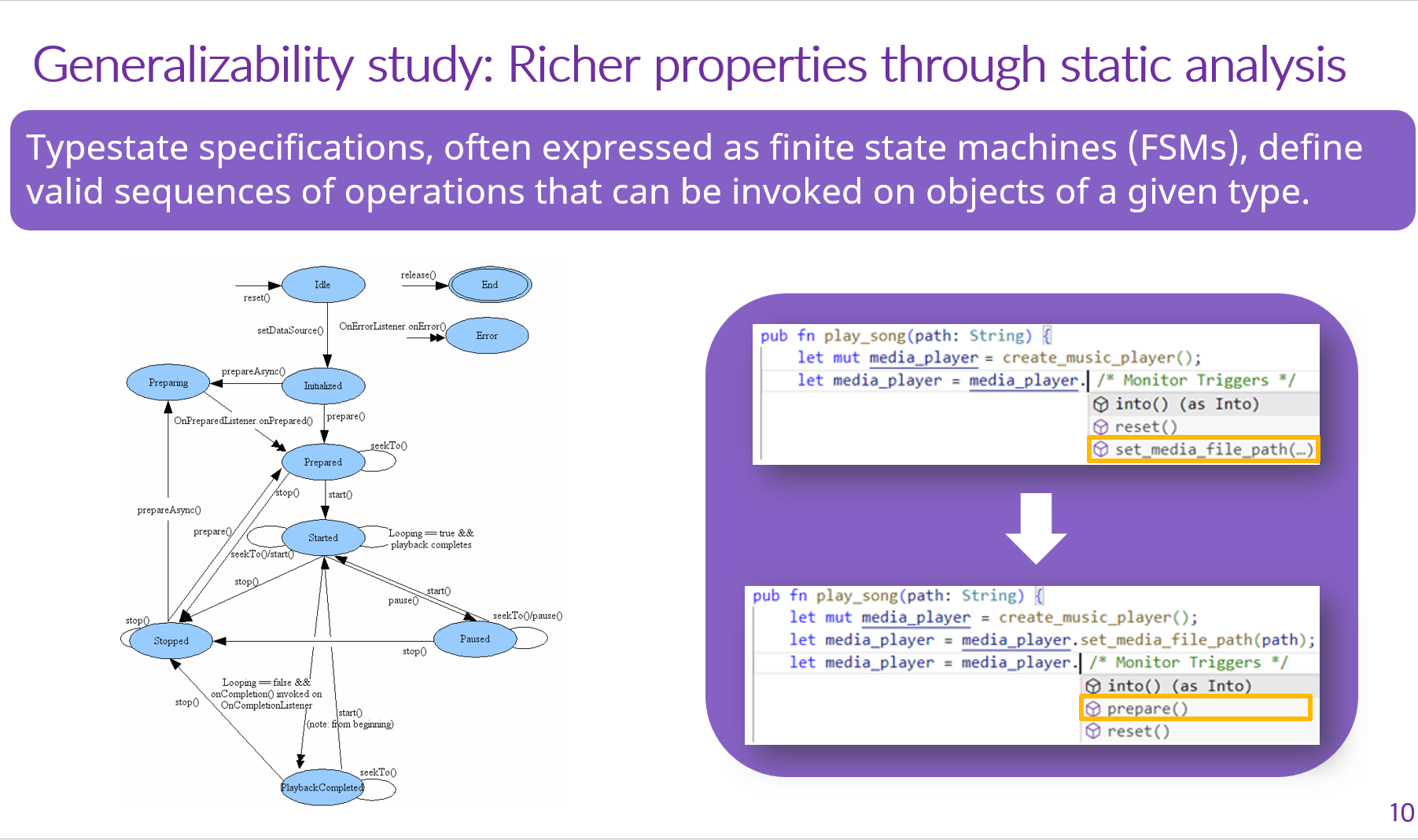
NeurIPS 2023
Combining language models with static analysis gives generated code correctness guarantees with respect to the monitored constraints.
Also filed as US Patent Application 18/680,100.
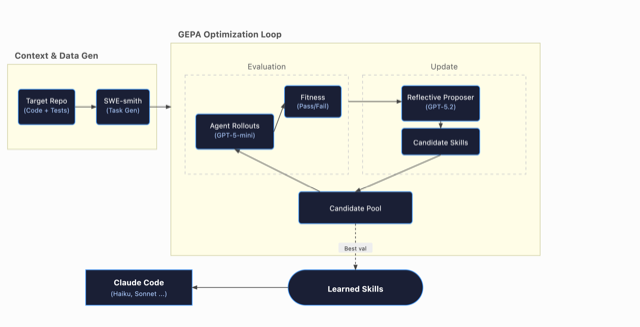
ACM CAIS 2026 · Demo paper
gskill learns repository-specific skills for coding agents by generating evaluation tasks and optimizing skill files.
* Equal contribution.
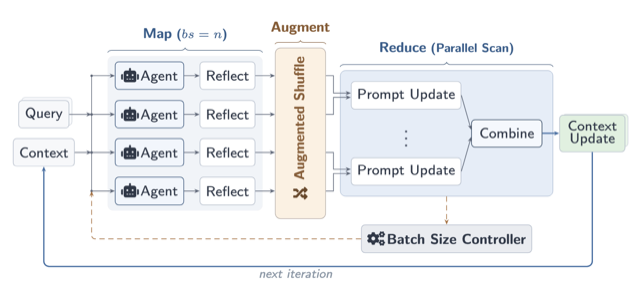
COLM 2026
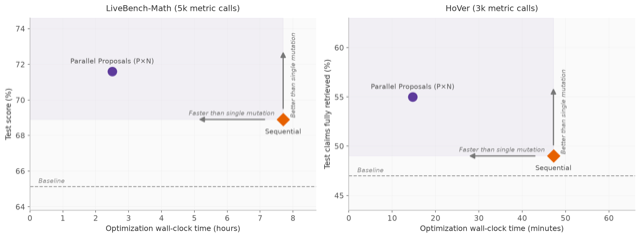
Scaling parallel prompt learning for self-improving language-model agents.
* Equal contribution.
ICLR 2026 · ICBINB Workshop
Investigating the limits of physical problem solving in vision-language models.
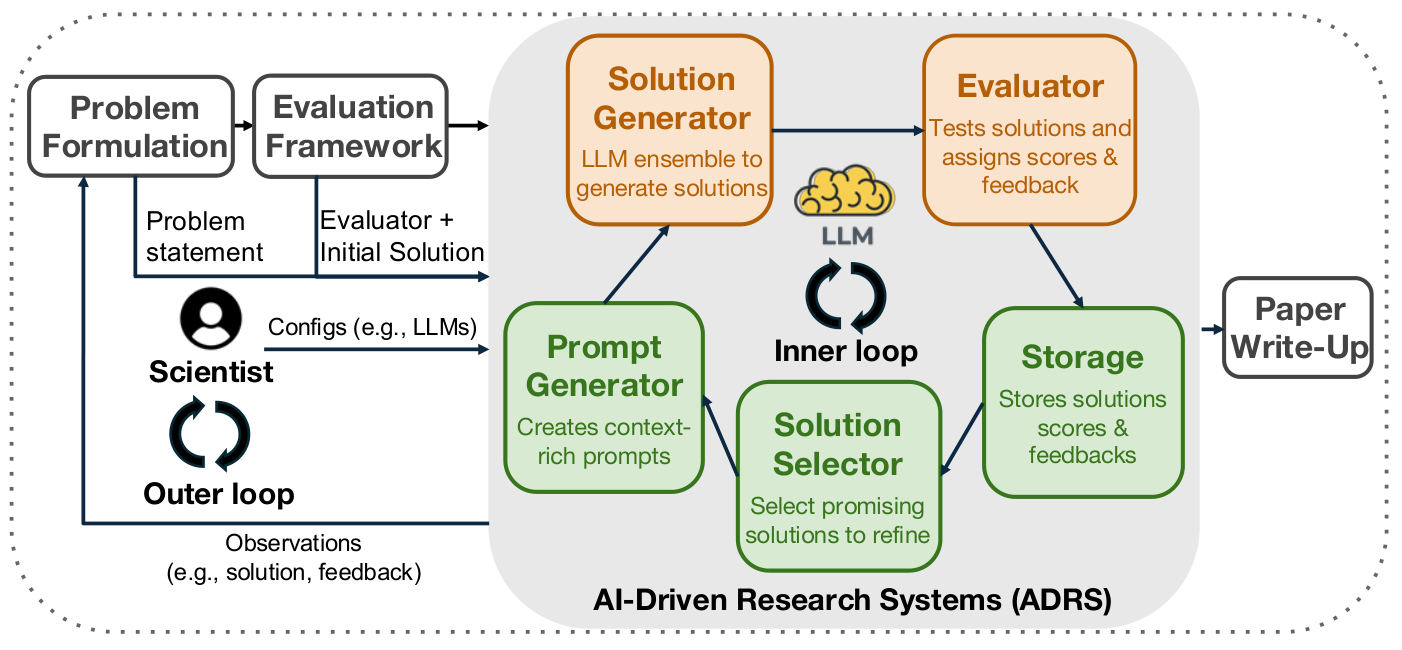
Preprint · 2025
Exploring how AI can accelerate systems performance research.
* Equal contribution.
Extends Barbarians at the Gate: How AI Is Upending Systems Research (2025).
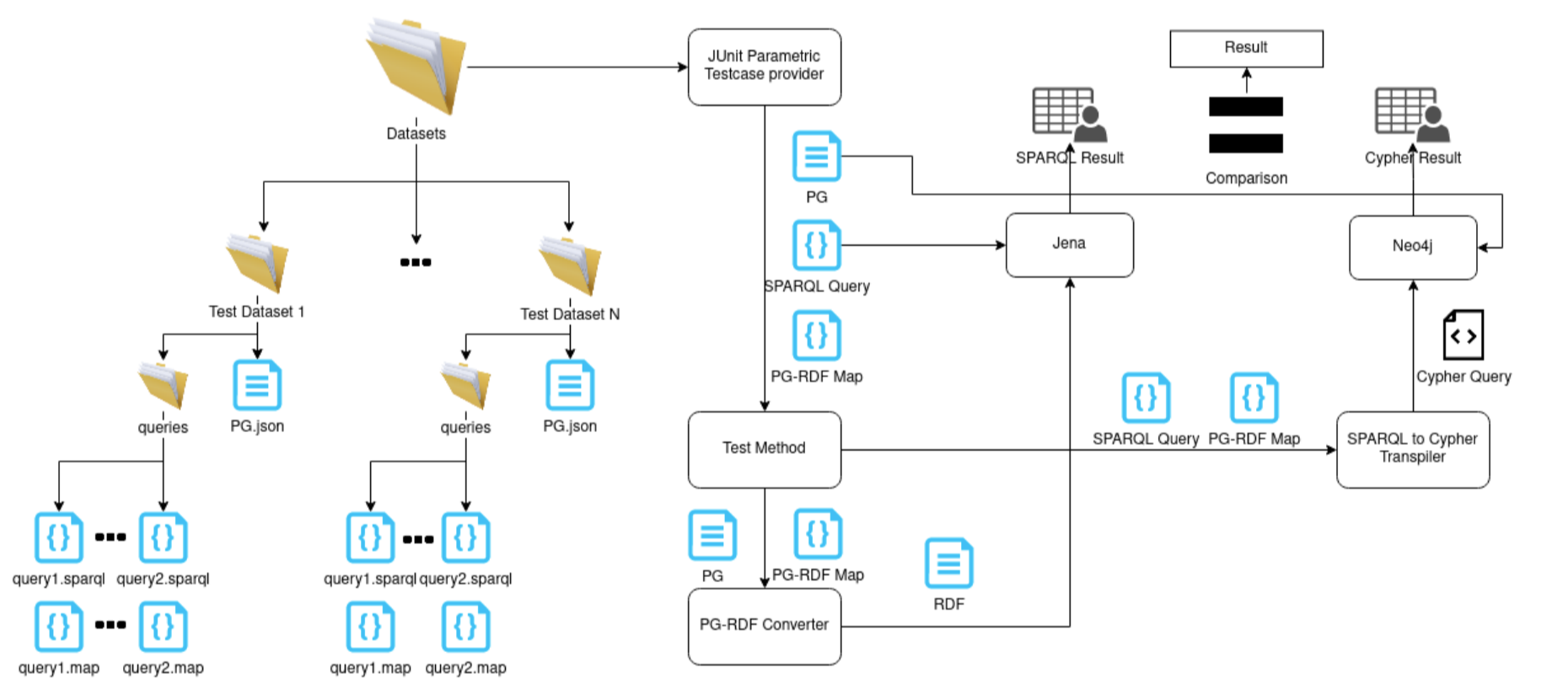
CODS-COMAD 2022
My undergraduate thesis on translating SPARQL queries to Cypher across RDF and property-graph databases.
* Equal contribution.
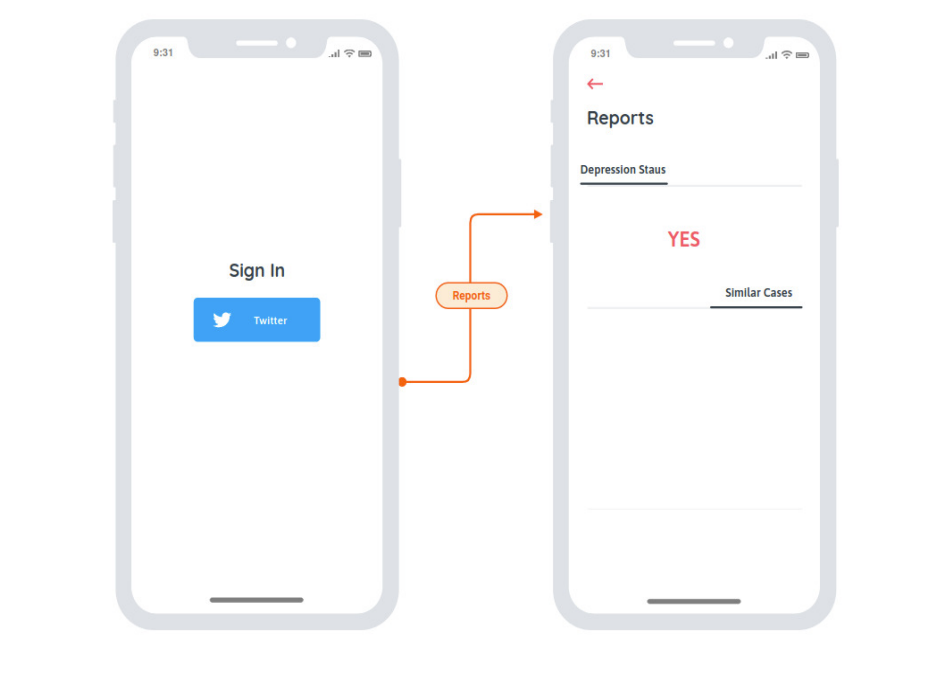
Preprint · 2020
Early work on sentiment analysis and social-media text.

Open-source software · Creator
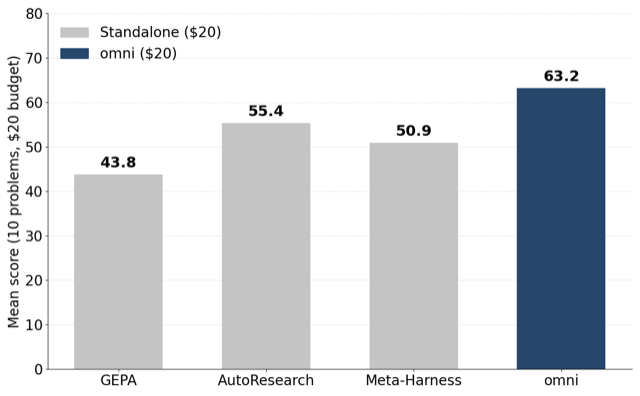
A Python library for learning from rich textual feedback to optimize prompts, agent harnesses, and other text artifacts. optimize_anything extends the same reflective loop to any text artifact with a score, from agent architectures to CUDA kernels, and omni composes optimizers into a meta-optimizer.
6,759 GitHub stars60.8M PyPI downloads7.28M in the past month
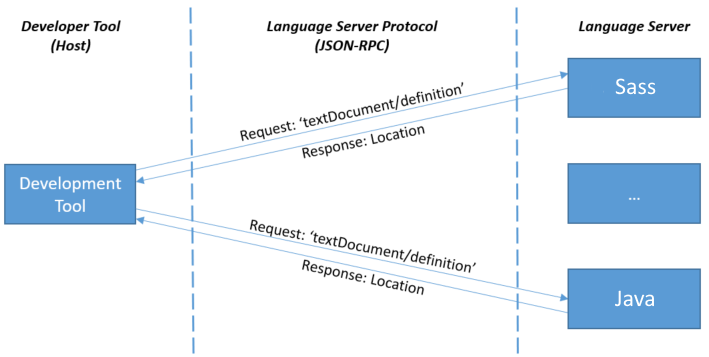
Open-source software · Creator
A Python library for working with language servers across programming languages. It handles server setup and communication, making static analysis, code completion, definitions, and references accessible to developer tools and coding agents.
Core maintainer
A framework for programming with language models. My contributions include the GEPA and GRPO integrations and parts of the language-model interface.
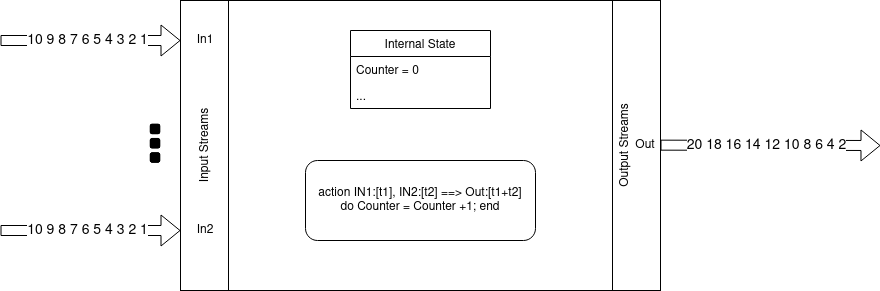
EPFL · 2020–2021
A runtime for the CAL dataflow language on Truffle/GraalVM, with IDE and debugger support, developed in Prof. James Larus’s group.
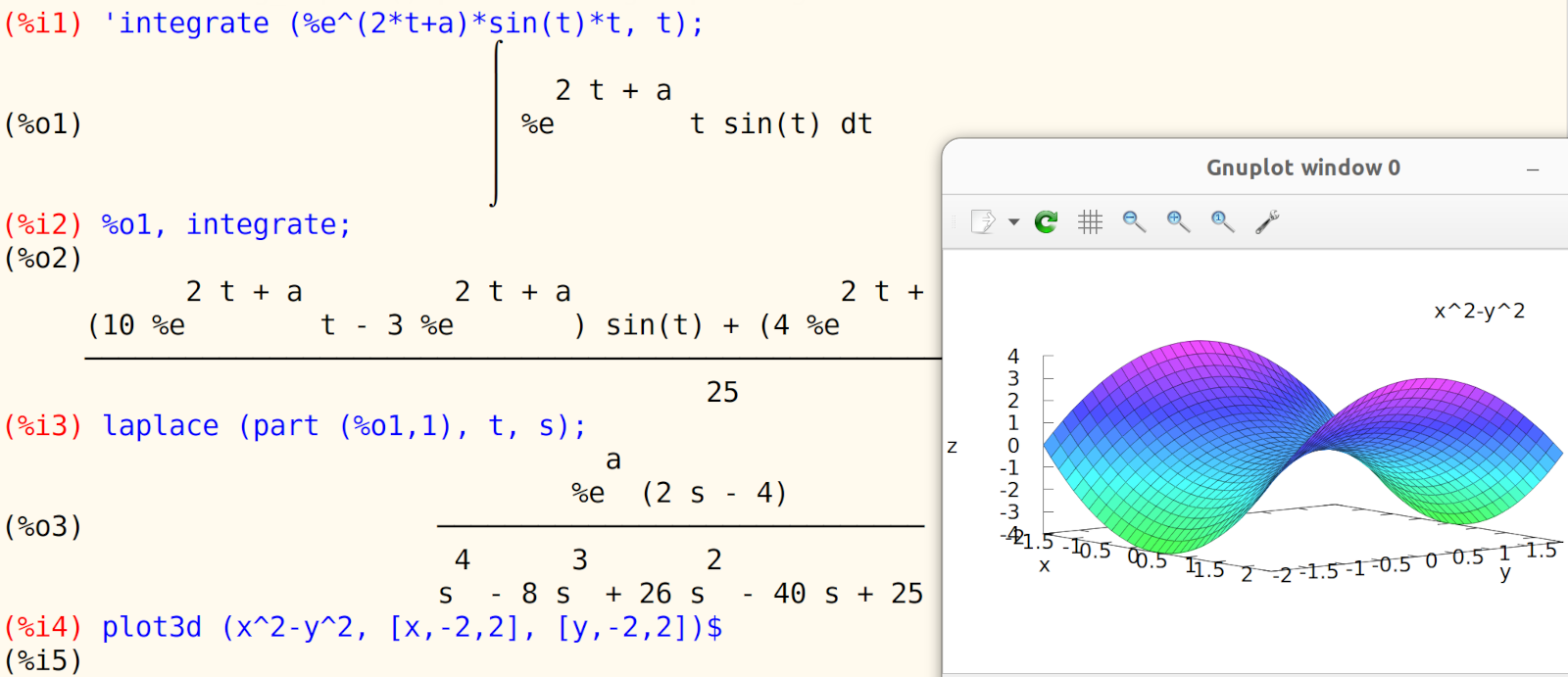
Google Summer of Code · 2019
A Maxima-to-Python transpiler written in Common Lisp, including support for plotting. Distributed with Maxima since 2019.
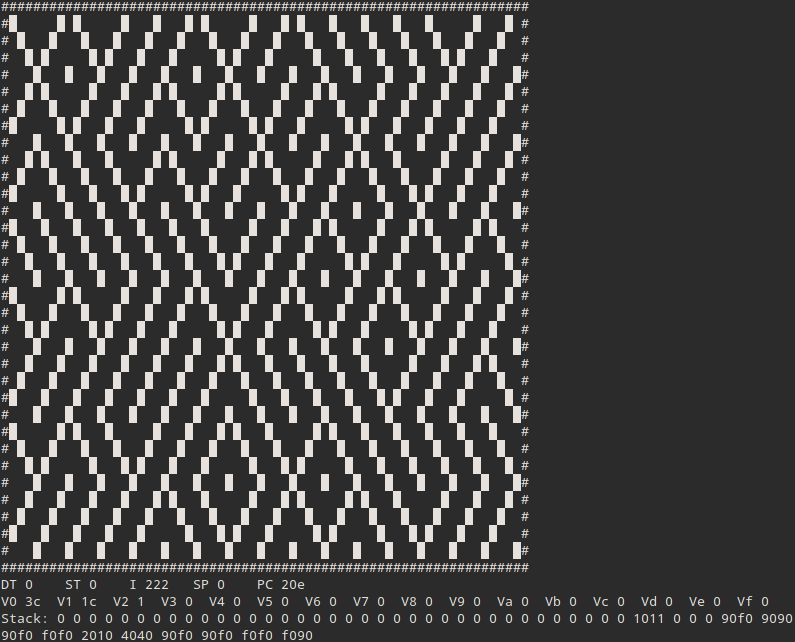
A terminal-based CHIP-8 emulator written in C++, for running classic games and other CHIP-8 programs.
A Telegram chatbot built to help find COVID-19 resource leads in India, including oxygen and hospital beds, and extract resource details from images.
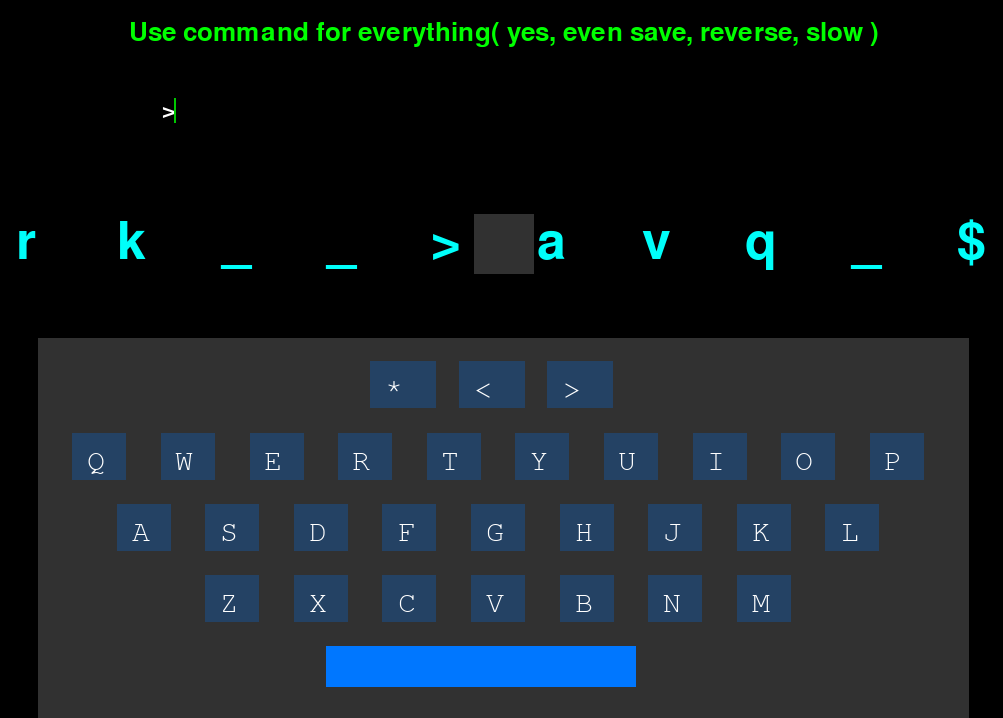
A Pygame game in which you capture escaped keyboard keys and combine them into commands to change the game.
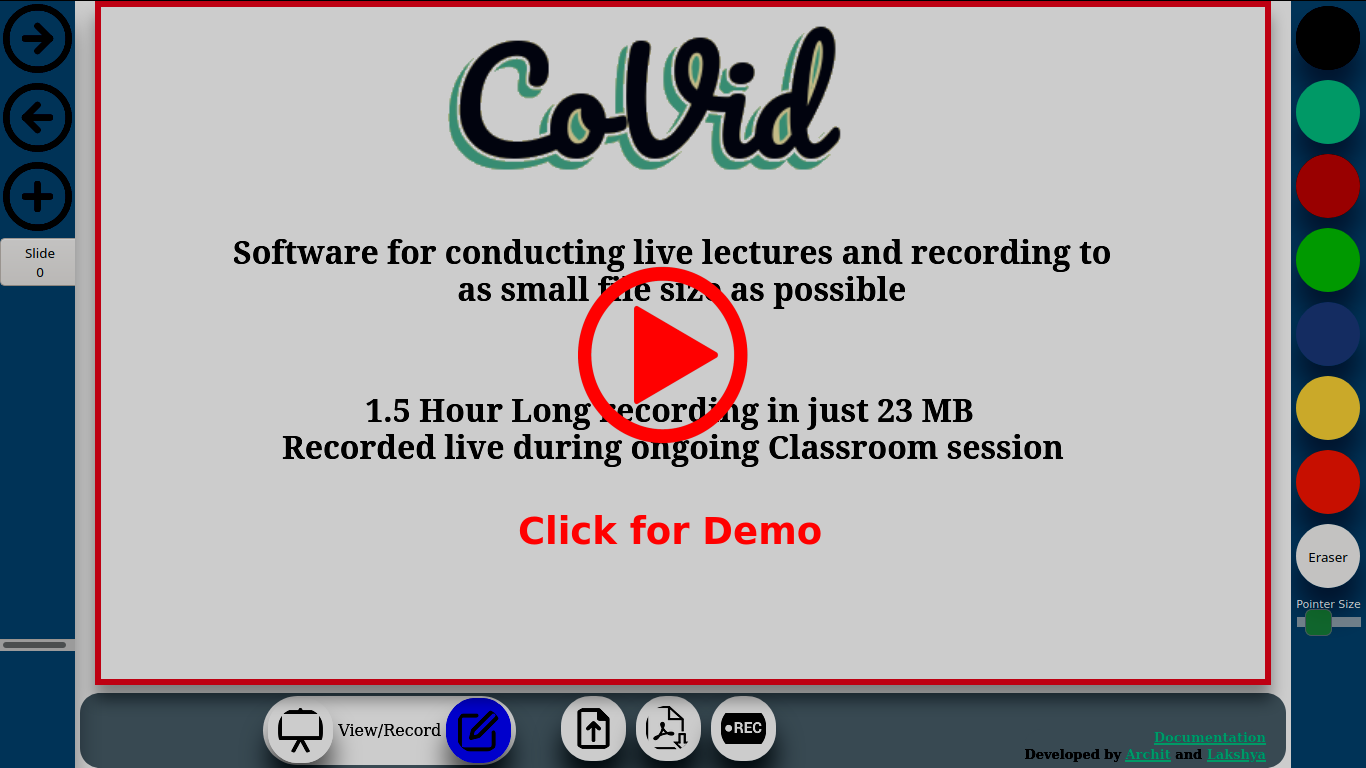
Browser-based lecture recording software designed to keep recordings small for students with limited internet connectivity.
Other open-source contributions include INRIA/spoon, mozilla/bugbug, and memorizing-transformers-pytorch.
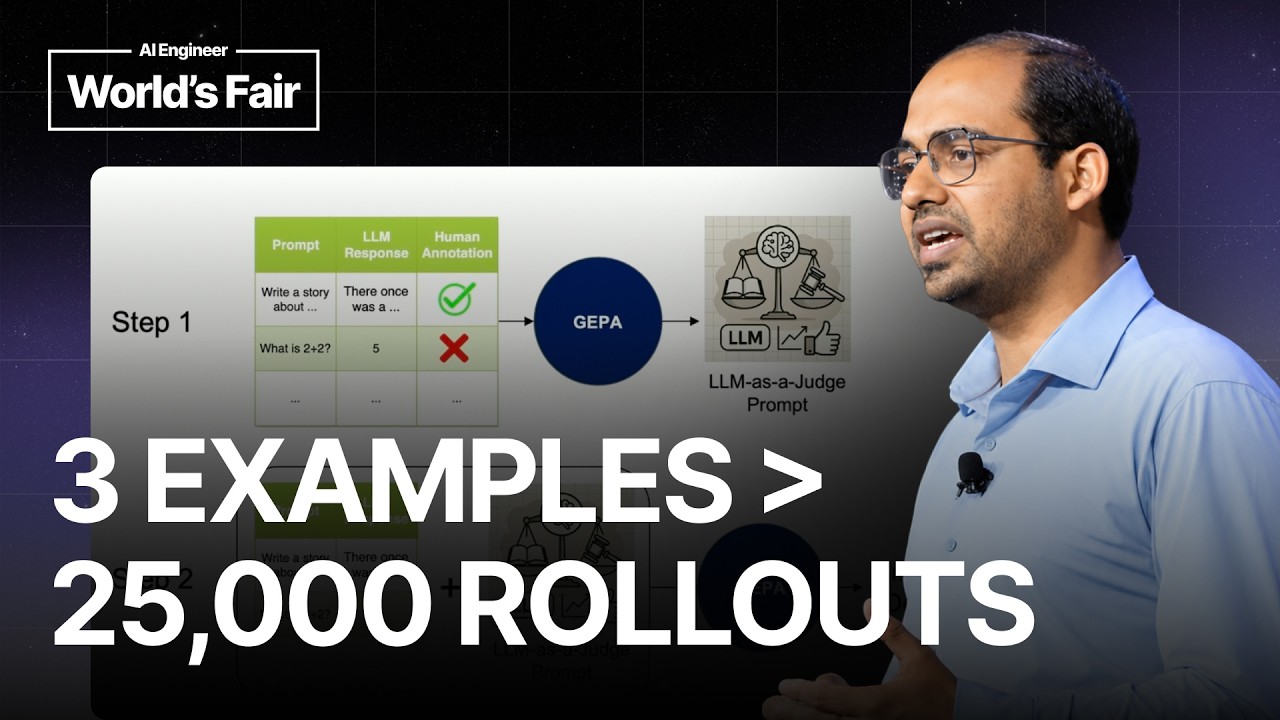




Contributed talk at FoRLM, the Foundations of Reasoning in Language Models workshop.


RiSE, MSR India, and Developer Division


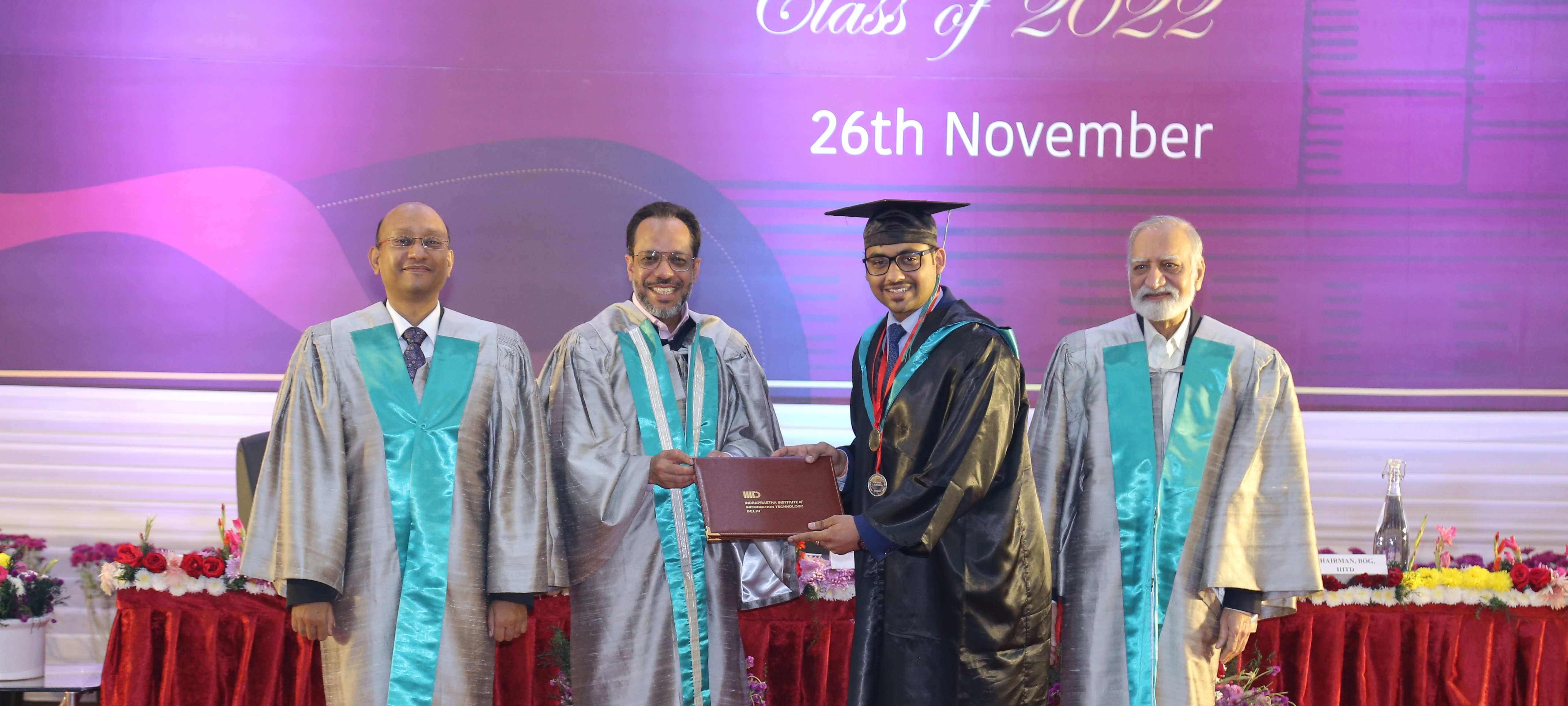
I interned at Ai2 (Allen Institute for AI) in Summer 2025. Before Berkeley, I was an AI4Code Research Fellow at Microsoft Research (2022–2024), working with Dr. Aditya Kanade, Dr. Navin Goyal, Dr. Shuvendu Lahiri, and Dr. Sriram Rajamani. I studied Computer Science and Applied Mathematics at IIIT-Delhi, graduating first in my department. I did my undergraduate thesis with Dr. Raghava Mutharaju, and spent two summers at EPFL with Prof. James Larus. I also interned as a software development engineer at Microsoft in 2021 and participated in Google Summer of Code in 2019, working on the Maxima-to-Python transpiler.
I was a teaching assistant for Machine Learning (CSE343/ECE563) and Theory of Computation (CSE322) at IIIT-Delhi in 2021. I have reviewed for NeurIPS 2025, ICLR 2025, and ISEC 2024, and mentor student collaborators on the GEPA project.
I grew up in Chhattisgarh and attended The Lawrence School, Lovedale. As a hobbyist, I play the saxophone, stylophone, Indian flute, and snare drums. I love classical music and jazz, films, and dancing.
I look forward to learning about the use cases and failure modes of AI systems, and the research questions they raise.
lakshyaaagrawal@berkeley.edu